
Frequently Asked Questions And Answers
Solar is the fastest growing energy source in the world, and for good reason. Solar power offers a limitless supply of clean, safe, renewable energy for heat and power. Solar energy is more affordable, more efficient, and more reliable than ever.
Logistics & Suitability
No, your Homeowners Association (HOA) cannot legally prohibit you from installing a solar energy system in California.
This is protected by state law:
The California Solar Rights Act
In California, the California Solar Rights Act (Civil Code Section 714) explicitly states that HOAs, governments, and other residential organizations cannot stop you from installing a home solar energy system.
This law ensures that homeowners have the right to reduce their energy costs and contribute to clean energy, regardless of restrictive community rules.
Where the HOA Can Step In
While the HOA cannot prohibit solar outright, they do retain limited rights regarding the aesthetic placement and appearance of the installation. They may ask you to modify the design and/or location for visual reasons, but these requested changes must meet two key conditions:
-
The changes cannot significantly decrease the system’s efficiency (the reduction must be less than 10% of the system’s power production).
-
The changes cannot increase the cost of the system by more than $2,000.
The Urban Design Advantage: Handling the Red Tape
Dealing with HOA applications and architectural review boards can be frustrating. As the Northern California contractor built on small-town integrity, we handle this red tape for you.
-
We Handle Approvals: We have nearly 20 years of experience working successfully with HOAs across Butte County and the greater region. We design the system with their rules in mind and submit all required documentation for approval, ensuring a smooth process.
-
Zero Anxiety: We know the rules. We will ensure your system is aesthetically compliant while fighting to protect your maximum energy production and ROI.
The total time from signing the contract to flipping the switch can vary, but we believe in full transparency. We break the process into two key phases:
Phase 1: Permitting and Approval (The Paperwork Period)
This is the longest phase and is necessary to ensure your system is safe, legal, and compliant with all Northern California codes.
-
Timeline: 4 to 12 Weeks.
-
What We Do: We handle 100% of this phase. This includes:
-
Finalizing the system design and engineering plans.
-
Submitting all necessary documents to your local municipality (e.g., Butte County) for building permits.
-
Submitting interconnection agreements to your utility provider (required to get Net Energy Metering approval).
-
Phase 2: Physical Installation and Activation
Once all permits and utility approvals are in hand, the physical work begins.
-
Installation Timeline: 3 to 7 Days.
-
The physical installation on a typical residential roof takes about 3 to 7 days, depending on the complexity of your roof and the size of the system. Commercial systems usually take 1 to 3 weeks.
-
-
Final Inspection & Activation: Once installed, the system is inspected by the city/county, and then the utility company installs the final Net Meter and flips the switch to Permission to Operate (PTO). This final step typically takes 1 to 3 weeks after the installation is complete.
The Urban Design Efficiency Difference:
Our job is to execute both phases as efficiently as possible. We use our nearly 20 years of local experience and 5-Star Rated processes to minimize delays, ensuring your system starts generating free power as quickly as possible. We are built on small-town integrity, which means we communicate clearly throughout the entire process.
To ensure your system is safe, legal, and compliant with all local standards, installing a grid-tied solar system requires two major types of local government approval: Building Permits and Utility Interconnection.
1. Building Permits and Inspections (Local Authority)
The local jurisdiction (e.g., your county or city in Northern California) requires permits and inspections to ensure the work is structurally sound and electrically safe.
-
Structural/Roof Permit: Required to verify that your roof structure can safely handle the additional weight and wind loads of the solar panels and racking equipment. This permit guarantees the installation meets the necessary structural safety codes.
-
Electrical Permit: Required to verify that all wiring, grounding, circuits, and the integration of the solar system into your main electrical panel and utility meter are correctly installed by a licensed electrician. This is the most crucial permit for long-term safety.
2. Utility Interconnection Agreement (The Grid Authority)
This is the non-physical “permit” that allows your system to legally feed power back into the grid and qualify for Net Energy Metering (NEM).
-
This agreement, submitted to your local utility company, ensures your system meets all safety standards for utility workers and allows the utility to install the necessary Net Meter to track your credits.
The Urban Design Advantage: Total Compliance
As the long-established contractor built on small-town integrity, Urban Design manages the permit process from start to finish.
-
Zero Stress for You: We create the solar panel design, handle all permit submissions, manage communication with your city/county across Northern California, and coordinate the final inspections.
-
Multi-Trade Security: Our expertise in Electrical and Plumbing allows us to flawlessly manage the most complex parts of the process—the structural mounting and the electrical tie-in—guaranteeing compliance and preventing the costly results of shoddy workmanship often found in unpermitted systems.
The size of your solar energy system is determined not by the size of your house, but by the amount of energy you use and the physical space available on your roof. Every home and business across Northern California is unique, making a customized solution essential.
To calculate the precise system size (measured in kilowatts, or kW), we focus on two primary factors:
1. Your Historical Energy Consumption (The Data Point)
This is the most critical factor. We look at your previous 12 months of utility bills to understand your average daily and monthly energy consumption (in kilowatt-hours, or kWh).
-
Residential Systems: Typically range from 3 kW to 10 kW in size.
-
Commercial Systems: Can range from 50 kW to 500 kW for a medium-sized business or agricultural operation.
Our Goal: We size the system to match your current usage, aiming to offset as much of your utility energy bill as you desire, while accounting for any planned increases (like purchasing an electric vehicle).
2. Physical Constraints (Roof Space and Sun Access)
We then match your energy needs to your property’s capacity:
-
Available Roof Space: The actual square footage of usable roof space (after accounting for fire setbacks, vents, and skylights).
-
Sun Access: The orientation of the roof (South-facing is best) and the level of shading from trees or nearby structures (which can reduce efficiency).
The Urban Design Custom Design Process
We don’t do cookie-cutter installations. Urban Design is a 5-Star Rated contractor that operates on small-town integrity.
We start with a FREE site evaluation where we analyze your utility data and roof space to create a custom design and performance projection. This ensures your system is properly sized to your specific needs, maximizing your long-term return on investment and preventing the costly mistake of an undersized or oversized system.
You are right to ask this! The orientation and shading of your roof are the two biggest factors determining if solar will be a good investment. As the trusted, long-term contractor in Northern California, we want to help you spot the initial red flags yourself.
1. Roof Orientation (Facing the Wrong Direction)
The sun’s path means not all roof planes are equal.
-
Optimal Direction: Surfaces facing South, Southwest, or West receive the best sun exposure throughout the day in the Northern Hemisphere. These are the best candidates for high-performance solar arrays.
-
The Red Flag: If your main, largest roof surface primarily faces North, it will not receive enough direct, high-intensity sunlight to generate a positive return on investment (ROI). In nearly all cases, a north-facing roof is unsuitable for solar panels.
2. Excessive Shading (The Shade Problem)
Panels need consistent, direct sunlight to achieve maximum efficiency.
-
The Red Flag: If large, mature trees or tall neighboring buildings cast a solid, dark shadow on the main area of your roof between 9:00 AM and 3:00 PM, especially during the summer, your production will be severely compromised.
-
The Rule of Thumb: If you see heavy shadows covering more than 20-25% of your usable roof space during those peak hours, your ROI will be heavily impacted, and solar may not be a worthwhile investment.
The Urban Design Professional Assessment
We never guess. We believe in providing the most accurate, data-driven answers possible.
-
As a 5-Star Rated contractor built on small-town integrity, we will not sell you a system that won’t give you a strong ROI.
-
We use specialized modeling software during our FREE site evaluation across Northern California. This software analyzes satellite imagery of your roof, tracks the sun’s path throughout the year, and maps all shading elements to determine the exact annual production and financial return before you ever commit.
Technology & Equipment
No, a battery back-up system is not required, but it is highly recommended for security and stability in Northern California.
While it is true that your grid-tied solar system always has access to the utility grid, battery technology has advanced significantly since 2017, making it a valuable investment, especially in our region.
The Role of Battery Storage Today
A battery system serves two primary functions: Emergency Back-Up and Maximizing Value.
-
Grid Outage Security: This is the biggest reason for battery adoption across Northern California. A standard grid-tied solar system turns off during a power outage (for utility worker safety). A battery system allows you to store your excess solar energy and automatically power your critical appliances (like refrigerators, lights, and WiFi) when the utility grid goes down.
-
Increased Financial Value: Batteries allow you to store the free solar energy you generate during the day and use it in the evening (after the sun sets), which is when utility rates are at their peak. This practice, often called “Time-of-Use Management,” can significantly increase your savings.
Is a Battery Right for You?
-
You DO NOT need a battery if: You are primarily concerned with reducing your monthly utility bill and are comfortable relying on the grid for power 24/7.
-
You DO need a battery if: You want protection against the frequent Public Safety Power Shutoffs (PSPS) or outages common across Butte County and Northern California, or if you want to maximize your savings during peak-rate hours.
As your trusted, 5-Star Rated contractor, we will include battery options in your FREE site evaluation and give you an honest breakdown of the costs and benefits based on your specific energy goals.
Our systems are specifically engineered and installed to handle the wide range of weather conditions common across the Northern California region, from the intense summer heat in the Sacramento Valley to the snow and wind loads closer to the foothills.
We focus on quality and durability across three key areas:
1. Extreme Heat and Performance (The Long-Term Guarantee)
The most significant threat from extreme heat is efficiency degradation. Our panels are built to withstand high temperatures while maintaining production.
-
Heat Resistance: We only use panels that are highly resistant to heat-related degradation. This means they are proven to maintain their efficiency and power output even on the hottest days in Butte County and the Sacramento Valley.
-
Warranty: The robust 25-year performance warranty on every panel is your guarantee that the system will continue to produce energy at expected levels, even after decades of intense Northern California summers.
2. Snow Loads and Wind Resistance (The Structural Security)
The racking system—the hardware that mounts the panels to your roof—is the critical component for handling physical stress.
-
Structural Engineering: Our systems are designed and engineered to meet or exceed local structural codes for both wind uplift and heavy snow load in your specific service area. We never cut corners here.
-
Fixing Bad Work (Proprietary Knowledge #2): As experts in correcting the costly results of poor installations, we understand the long-term risk of weak racking. Our installation standard ensures the system remains structurally sound and watertight for its entire 25+ year lifespan.
3. The Quality Guarantee (Our Long-Term Partner Standard)
Instead of using confusing industry labels, we assure you of our manufacturer standard:
-
We only install panels from companies that are proven to be financially stable, publicly trusted, and have been successfully producing reliable products for many years.
-
Why This Matters to You: We call these companies our Long-Term Partners. By choosing manufacturers with this level of stability, we ensure the company backing your 25-year warranty will actually be around in 10 or 20 years to honor their promises. This is the ultimate peace of mind when choosing the Northern California contractor built on small-town integrity.
By focusing on quality and robust engineering, we ensure your investment is protected from the elements. We install systems that last.
We do not choose the cheapest panels available on the market for one simple reason: They create an unacceptable risk for your 25-year investment.
Our panels are selected based on a strict standard of durability, proven performance, and long-term financial stability. We believe that paying slightly more now saves you thousands in repairs and lost energy later.
1. Durability and Performance (The Physical Difference)
The cheapest panels are cheap because they use lower-quality materials that are prone to failure in harsh Northern California weather.
-
Superior Heat Resistance: Our panels are engineered to handle the intense, prolonged heat of the Sacramento Valley. Cheaper options suffer from much higher heat-related degradation, meaning they quickly lose efficiency and produce less power over time.
-
Stronger Construction: We choose panels built with superior frames, glass, and sealing. This construction ensures they better withstand hail, heavy snow loads, and high winds, preventing moisture intrusion and costly physical failures that we often fix after shoddy installations (Proprietary Knowledge #2).
2. Warranty Security (The Financial Difference)
This is the most critical difference between our partners and the cheapest options.
-
Long-Term Partner Stability: We only install panels from manufacturers that are financially stable, publicly trusted, and have been successfully producing reliable products for many years—what we call our Long-Term Partners.
-
The Flaw of Cheap Warrants (Proprietary Knowledge #1): A “cheap” panel often comes from a manufacturer with poor financial health. If that company folds in 5 to 10 years (a common occurrence), your 25-year warranty is completely worthless.
-
The Urban Design Guarantee: By paying for our selected quality, you ensure the company backing your 25-year warranty will actually be around to honor it. We are the Northern California contractor built on small-town integrity—we install a system where both the installer and the manufacturer are stable.
Choosing our panels is choosing a lower lifetime risk and a higher, guaranteed return on your investment.
If your solar energy system is grid-tied (the standard connection) and you do not have a battery back-up or whole-house generator, the system will automatically and instantaneously shut off.
Immediate Shutdown is Mandatory
This immediate shutdown is a crucial safety mechanism, governed by industry standards and state electrical code:
-
Anti-Islanding Protection: Your system’s inverter is legally required to contain “anti-islanding” protection. This safety feature instantly detects when the main utility grid fails (goes dark).
-
The Danger: If the system did not shut down, it would continue to feed power onto the utility lines. This current would create an electrical hazard (an “island” of power) that could seriously injure or kill utility crews working to repair the downed lines.
The Result for Your Home
Because the system is tied to the grid for its safety shutdown trigger, the result for your home is:
-
No Power: You will have no electricity flowing from either your solar panels or the grid, regardless of whether the sun is shining directly on your roof.
-
Lights Stay Off: You are fully reliant on the utility company restoring power before your home or business can function again.
As licensed electrical experts serving Northern California, we guarantee that every system we install meets this critical safety standard. We prioritize the security of your property and the safety of our community.
Yes! The monitoring system is the window into your investment. It allows you to see, in real-time, exactly how much electricity your solar system is generating, track your long-term savings, and ensure your system is always performing optimally.1
The Monitoring Process
Every system we install comes with state-of-the-art monitoring hardware that operates automatically:
-
Data Collection: Sensors at the panel level (micro-inverters or optimizers) and at the central inverter collect performance data every few minutes.2
-
Internet Connection: This data is sent via an internet connection (usually your home Wi-Fi) to a cloud server run by the monitoring manufacturer.3
-
App Access: You access this data via a free mobile app or a secure website portal on your phone, tablet, or computer.4
What You Can Track and Monitor
The monitoring app is designed to answer the two biggest questions you have: “Is my system working?” and “Am I saving money?”
-
Real-Time Production: See how much energy (in 5$text{kWh}$) your system is generating right now, today, this week, or this year.6
-
Performance Alerts: The system will automatically notify you and us if a panel or component is underperforming.7 This allows us to proactively schedule service if necessary.
-
Financial Tracking: You can often track the amount of fossil fuel offset and, most importantly, the dollar amount of your estimated utility savings over time.
The Urban Design Peace of Mind
We set up this monitoring system with you during the final sign-off, ensuring you are comfortable using the app.
As the established, 5-Star Rated Northern California contractor built on small-town integrity, we are also watching your system remotely. This remote monitoring ensures that if your system goes down or underperforms, we are often aware of the issue and can begin troubleshooting before you even notice a difference in your energy bill.8
Our policy is to design for future expansion from day one.
It is very common for homeowners and business owners to increase their energy needs over the 25-year life of the system—for example, by adding an electric vehicle, installing a pool, or switching to an electric heat pump. We plan for this possibility to ensure future upgrades are simple and affordable.
The Urban Design Future-Proofing Strategy
When we design your initial installation, we often build in flexibility across two key areas:
-
Racking and Roof Space: Where possible, we organize the initial panel layout to leave contiguous, sun-exposed roof space for additional panels without interfering with fire setbacks or roof lines.
-
Electrical Capacity: If a major expansion is planned, we ensure your main electrical service panel has the necessary capacity to safely handle the additional circuits or power output. As licensed Electrical experts, managing panel capacity is a core part of our trade.
The Upgrade Process
If you decide to expand your system, the process is straightforward:
-
Assessment: We perform a new energy usage calculation to determine the required system size.
-
Installation: We add new panels and may install a larger inverter or additional micro-inverters. Because we did the upfront work correctly, the attachment points and wiring integrate seamlessly.
-
New Permits: We handle all the necessary updated permits and utility interconnection paperwork to ensure the expanded system is fully compliant with local codes in Northern California.
Why Choosing Urban Design Makes Upgrades Cheaper
Upgrades are only easy and affordable if the original job was done right.
-
As the contractor built on small-town integrity, we guarantee our initial structural and electrical work is of the highest standard. This means when you decide to expand, we aren’t spending time and money fixing shoddy, non-compliant work left behind by others—we simply bolt on and wire up.
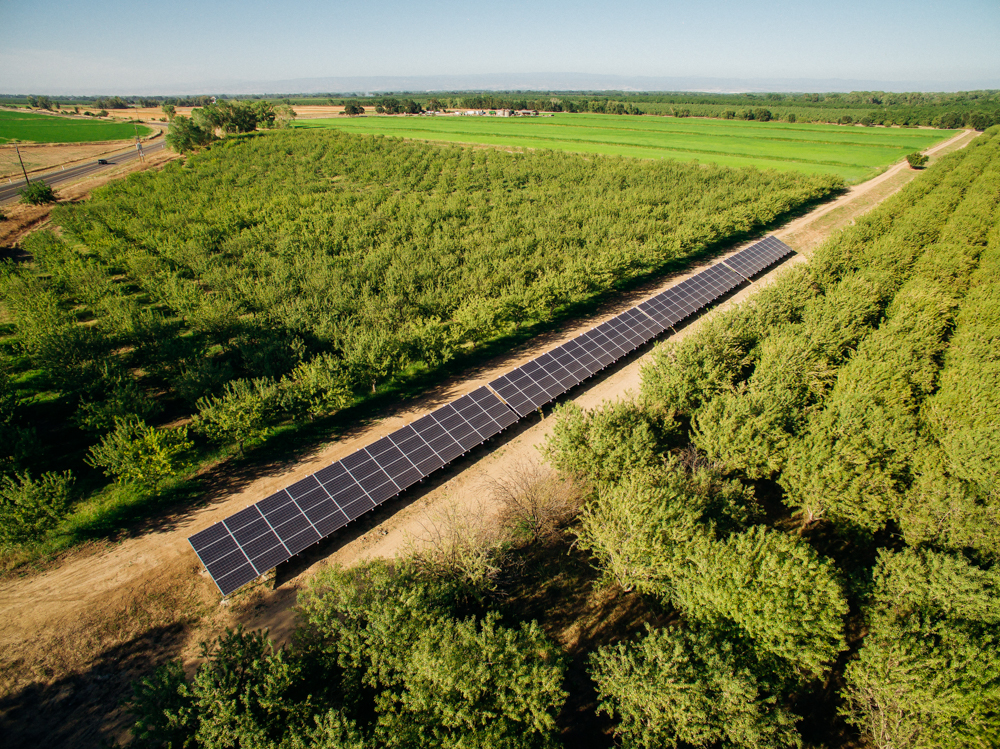
Solar Power Benefits for Farmers and Ranchers
- Control energy costs when pumping water or during drought
- Reliable power to meet demand at peak processing times
- Hedge against volatile energy prices and plan years ahead
Energy prices are forecast to keep rising at 6-7% historical rate per year. Farming and ranching are unpredictable enough without soaring energy rates. Predictable energy costs give you a tremendous competitive edge.
The longer sunny days of summer coincide with peak energy usage for most farmers, ranchers, and processors. With high and variable energy needs, increases in power prices can have a costly impact on your bottom line budget; especially when you rely on power from the utility company. Solar energy provides a consistent power source at lower fixed rates, ensuring that your operation has affordable solar energy when it’s most critical.
Adding Solar Energy to Your Business
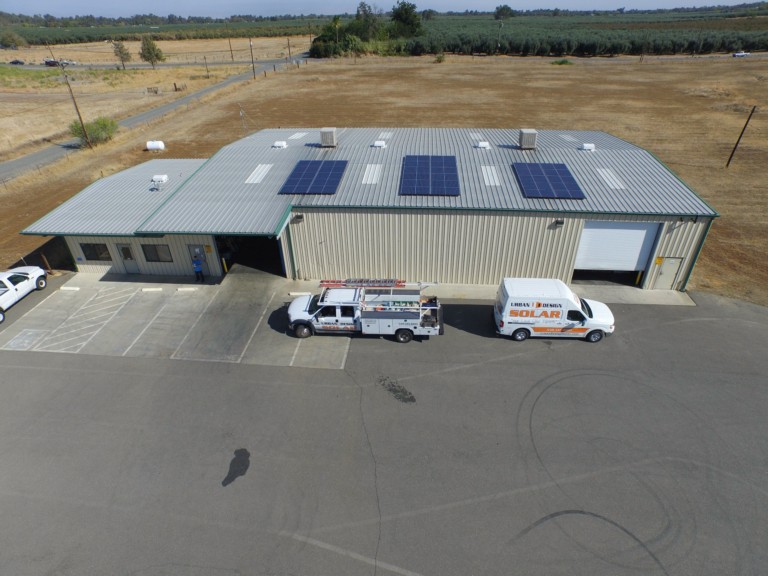
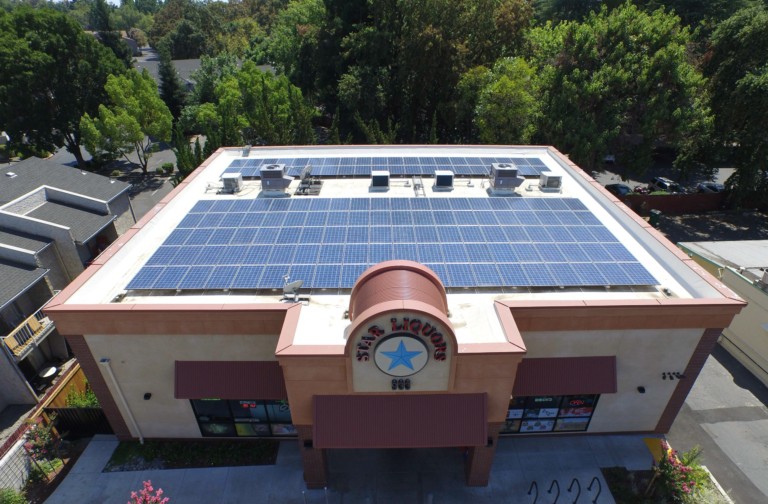
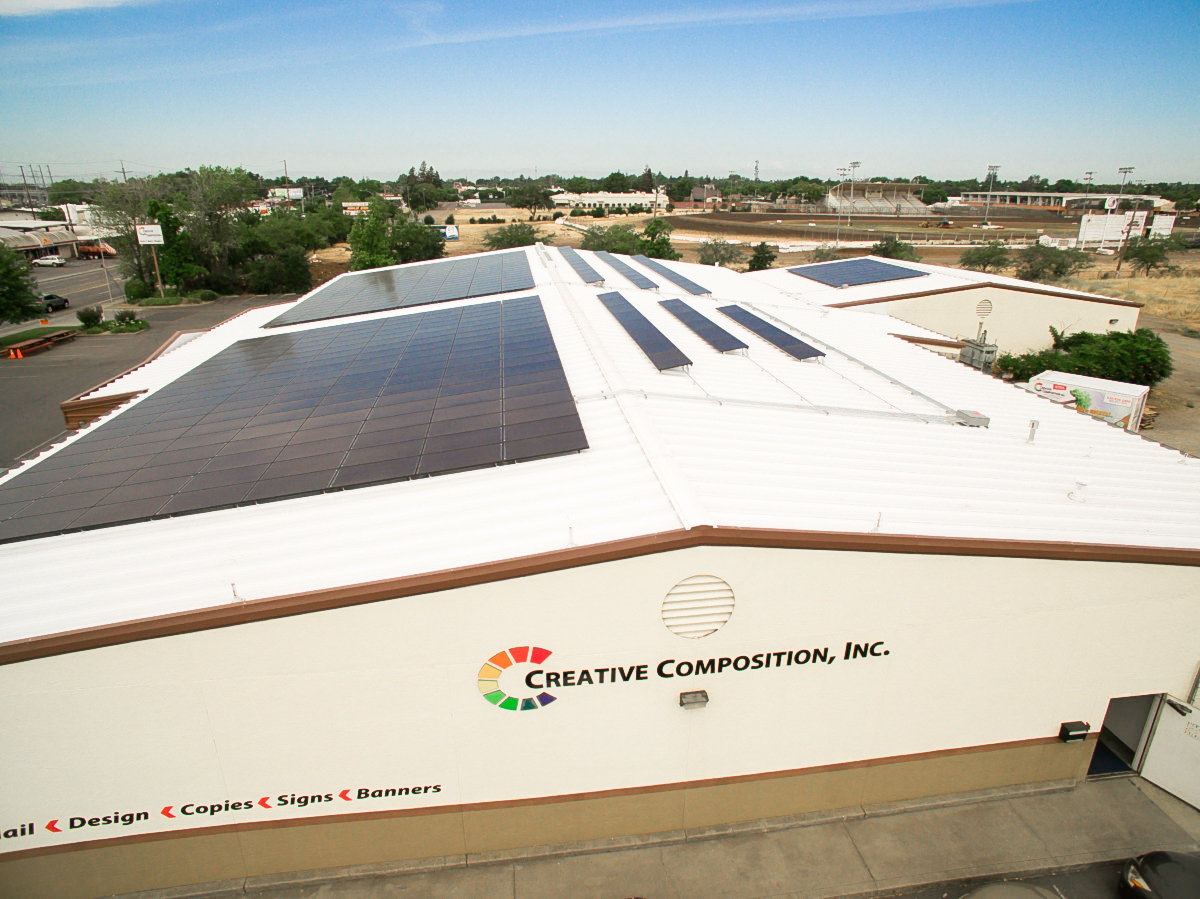
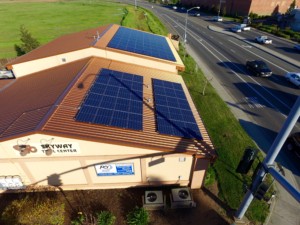
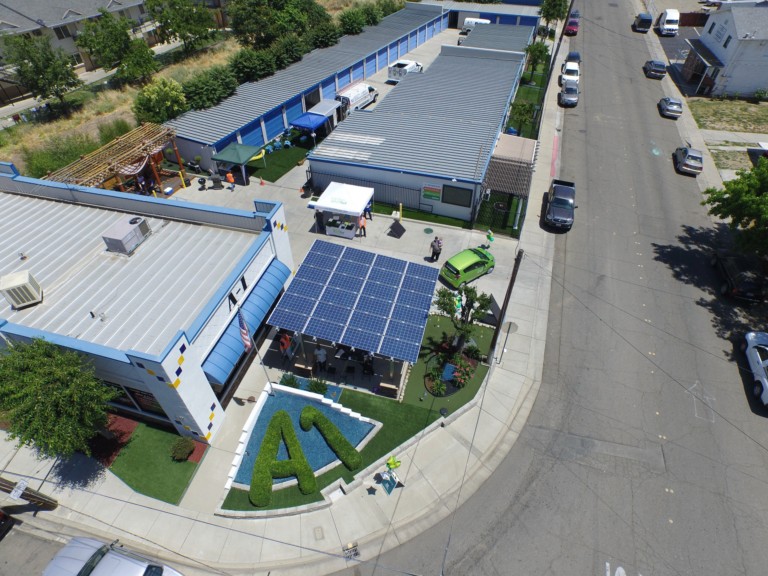
Urban Design Solar makes solar hassle free. Urban Design Solar understands you can’t afford to lose business due to disruptions. With many years of local experience installing solar energy products, Urban Design Solar has a thorough grasp on completing the necessary paperwork for local permits and working effectively and closely with utility companies. Urban Design Solar is a respected local Contractor guaranteeing your project is completed on time, without budget surprises. Urban Design Solar keeps you updated every step of the way during the solar energy system installation. From the smallest retail to larger commercial operations, Urban Design Solar helps you go green and save money.
Request a Quote or More Information
Let your local & family owned, Northern CA. contractor give you a FREE quote for our services!
We are proud to serve Northern California including Butte County, Glenn County, Tehama County, Shasta County, Siskiyou County, Yuba County, Sutter County, Chico, Oroville, Corning, Redding, Red Bluff, Orland, Yuba City, Marysville, Sacramento and other areas upon request.